
Natural Resources Defense Council Switchboard Blog
Kaid Benfield
Posted October 26, 2011
"The map just above shows the degree to which twelve jurisdictions in the Washington, DC metropolitan area have experienced a housing recovery. In particular, the percentages reflect how the August 2011 average home sales price in each city or county compares to the average sales price experienced in each at the peak of the region’s housing market, in November 2005. The numbers, which were published in The Washington Post earlier this month, are based on research by the George Mason University Center for Regional Analysis.
While no part of the region has fully recovered, the degree to which they have rebounded varies significantly from one jurisdiction to another. Kimberly Lankford, a freelance writer on assignment for the Post, noted in the story that “in general, the farther you travel from downtown Washington, the slower the recovery has been.”
Indeed. The strongest recoveries have been made in the central city of Washington and neighboring Arlington, Virginia, the region’s most urban jurisdictions, both filled with walkable neighborhoods.
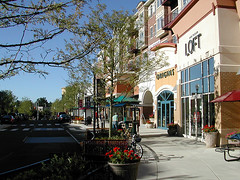 Convenience matters to homebuyers. On average, travel distances are shorter in central jurisdictions and transit, biking and walking alternatives to driving more plentiful; jobs, shopping and amenities are likely to be closer. Density tends to be higher, although both DC and Arlington have plenty of single-family homes. The two jurisdictions that have made the next strongest recoveries are Alexandria and Fairfax County in Virginia, both relatively close to Washington and each a mixture of urban and suburban areas.
This is consistent with mapping that I have done in the past showing that, during the slump, housing prices in close-in locations came the closest to holding their value or even increasing, while outer locations suffered. These new numbers, though, by expressing the changes as percentages of average prices six years ago, illustrate the extent to which the market has shifted since the peak. Basically, a significantly larger number of buyers want smart growth locations now than they did then. That’s a trend."
Click here to read the complete NRDC blog article.

Hi, interesting post. I have been wondering about this topic, so thanks for posting. I’ll definitely be subscribing to your site. Keep up the good posts
ReplyDeleteApartments in Gainesville Fl